Redefining Malaysia’s energy landscape with Solar ATAP and battery innovation
In an increasingly volatile global landscape, the intersection of geopolitical tension and energy security has become a focal point for both policymakers and the Malaysian public. As 2026 unfolds, international fuel price fluctuations continue to underscore the importance of national resilience.
While Peninsular Malaysia’s electricity supply remains secure — underpinned by a generation system that relies on natural gas for 40% to 45% of its needs — the exposure to global market dynamics remains a persistent reality. In an era of uncertainty, that control is perhaps the most valuable commodity of all.
With much of these gas resources sourced domestically from Kerteh and the Malaysia-Thailand Joint Development Area, the nation enjoys a level of stability many may envy. However, stability does not mean immunity. For the average Malaysian household and business, this translates to a growing need for energy autonomy and smarter consumption habits.
For years, the Net Energy Metering (NEM) scheme served as the primary vehicle for Malaysians to adopt solar energy. However, as of Jan 1, 2026, the landscape shifted with the introduction of the Solar Accelerated Transition Action Programme (Solar ATAP).
This new initiative, managed by the Sustainable Energy Development Authority (SEDA), represents a significant evolution in how rooftop solar photovoltaic (PV) systems are integrated into the national grid.
Unlike its predecessor, Solar ATAP offers a more flexible approach to capacity. While NEM often limited installations based on previous usage trends, Solar ATAP allows residential and non-residential customers to install systems at much higher capacity limit.
For residential premises, this means single- and three-phase connections can now reach capacities of 5kW and 15kW respectively — a notable increase from the previous NEM cap of 12.5kW.
Commercial and industrial players also see a boost, with the ability to subscribe up to 100% of their maximum demand, capped at 1mw. This shift is designed to accelerate Malaysia’s green transition by empowering high-energy consumers to maximise their roof space for generation rather than being tethered strictly to historical consumption data.

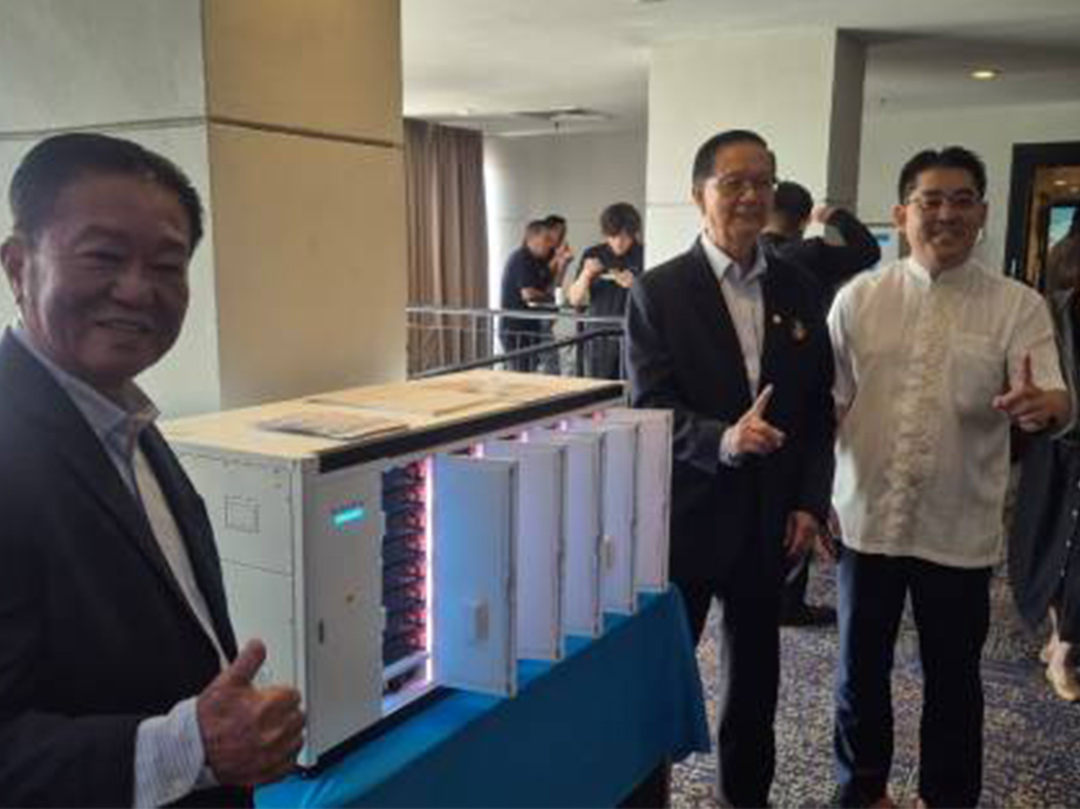
Sansubari Che Mud, managing director of GSPARX Sdn Bhd
Addressing global fuel hikes
The introduction of Solar ATAP coincides with a revised electricity tariff structure that took effect on July 1, 2025. Central to this new reality is the 600kWh threshold. Consumers exceeding this limit are more susceptible to monthly Automatic Fuel Adjustment (AFA) fluctuating rates, which are based on global fuel prices and foreign exchange (forex) rates.
With recent West Asia tensions and global fuel spikes, there is concern that the current AFA rebates enjoyed by customers consuming more than 600kWh per month may face AFA surcharge rates in the coming months.
While prudent habits — such as maintaining air conditioners at 24°-26° Celsius or switching to LED lighting — can help manage usage, those with higher energy demands are looking towards more structural solutions. This is where the mechanics of ATAP Credits become vital.
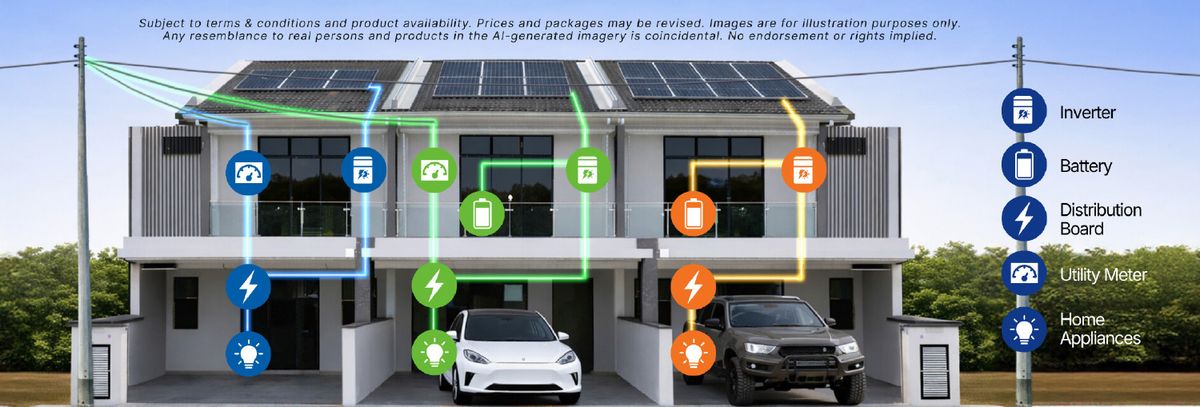
Under Solar ATAP, excess energy exported to the grid is converted into credits to offset the energy charge of that specific billing month. However, there is a “use it or lose it” caveat: these credits cannot be rolled over to the next month, nor can they offset fixed charges like Service Tax or the Network Charge.
For businesses, the credit value is now pegged to the average System Marginal Price (SMP), reflecting a move towards a more market-driven energy economy.
Battery revolution provides true energy control
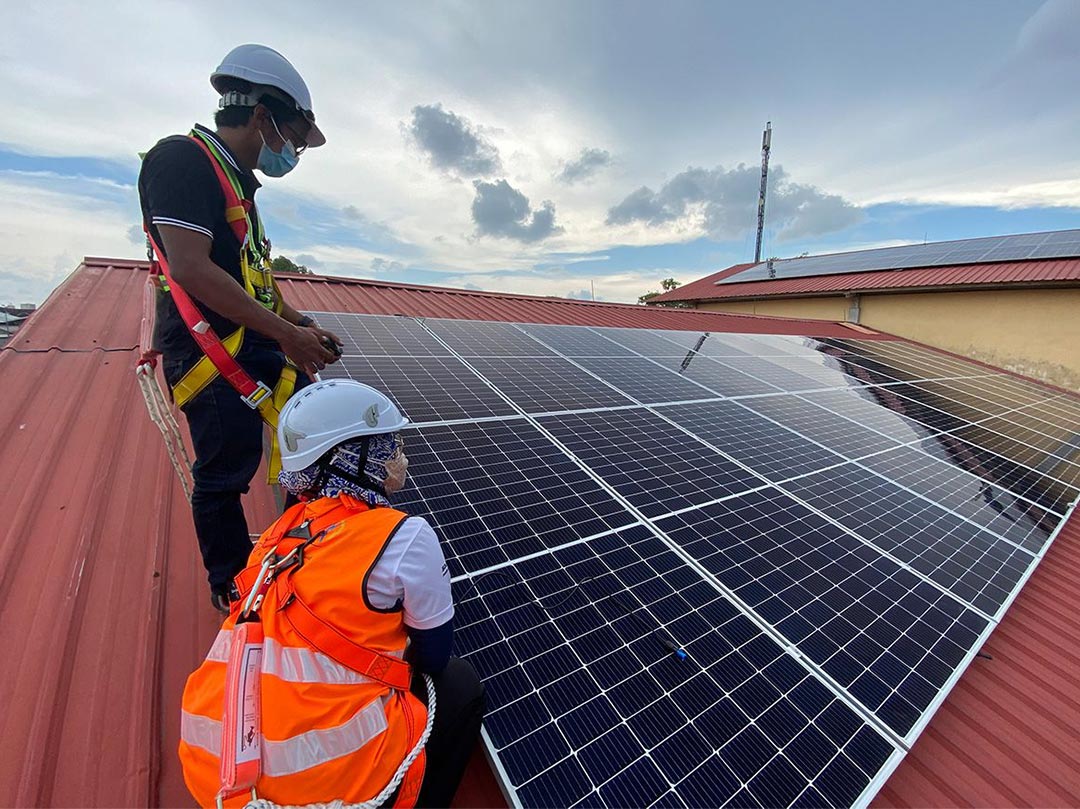
Perhaps the most significant development in the 2026 energy toolkit is the rising prominence of the Battery Energy Storage System (BESS). For those looking to hedge against future AFA surcharges and achieve a truly “smart green lifestyle”, the solar battery is no longer a luxury but a strategic asset.
GSPARX Sdn Bhd managing director Sansubari Che Mud emphasises that the solar battery solution allows customers to power their homes with stored energy during cloudy periods or evening peak hours.
“It minimises dependence on the grid and the energy charge for the month,” he explains.
By reducing the net energy drawn from the grid, domestic customers can more easily stay below the 600kWh monthly threshold. This enables them to enjoy the energy efficiency incentive and avoid a slew of additional costs, including the retail charge, and the fluctuating AFA rates.
The benefits of BESS extend beyond individual homes. A collaborative project in the City of Elmina in Shah Alam, Selangor — involving Tenaga Nasional Bhd, GSPARX and Sime Darby Property — serves as a primary example of community-level energy management.
By collectively harnessing stored solar energy from participating homes, the project helps mitigate dips in power to community buildings and improves overall grid performance.
GSPARX is currently in talks with other property developers to replicate this large-scale BESS model for future homeowners.
Green transition for the nation
As a wholly-owned subsidiary of TNB, GSPARX has established itself as a leader in the solar space since 2018. Its approach is defined by end-to-end solutions, encompassing everything from initial consultation to after-sales maintenance and solar insurance via SuriaShield.
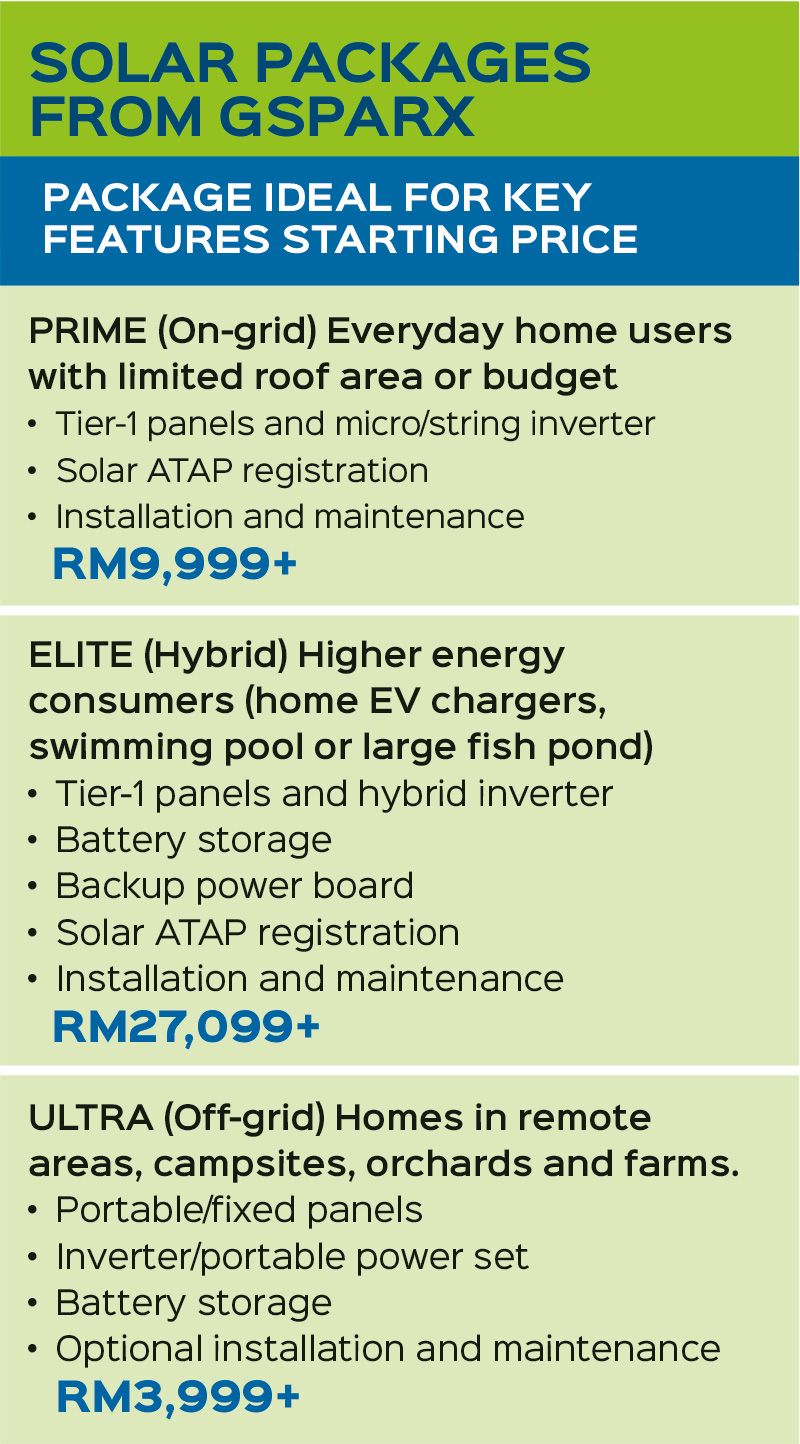
To meet the diverse needs of the 2026 market, GSPARX has streamlined its offerings into three core packages, with starting prices for solutions below RM4,000.
The shift to Solar ATAP represents more than just a change in policy; it is a call for Malaysians to take greater control over their energy destiny. With GSPARX’s solar packages, be it a large family seeking to manage utility bills without massive upfront costs, or an entrepreneur managing an off-grid farm, the technology now exists to deliver reliable, measurable savings.
With expanded payment options — including credit card instalments for up to 60 months and personal financing through selected banks and co-ops — the barrier to entry has never been lower.
“Energy-conscious customers or resourceful individuals living in off-grid communities have more choices now in seeking assured reliability in energy, reducing their carbon footprint and being mindful of their electricity bills,” says Sansubari.
“Existing homeowners or businesses are welcome to explore the new solar packages GSPARX has to offer, leveraging Solar ATAP benefits while achieving greater control over their energy needs. They are able to hedge against future surcharges from AFA rates while reducing their carbon footprint.”
Get your solar proposal here: www.gsparx.com.my
Explore practical approaches to reducing energy consumption and adopting renewable solutions that support long-term sustainability goals for homes and businesses alike.
Discover innovative lifestyle practices and energy-efficient technologies that help create a balanced, eco-conscious way of living for future generations.
Learn how modern sustainable innovations are driving positive environmental change while improving efficiency, reliability, and everyday energy performance.